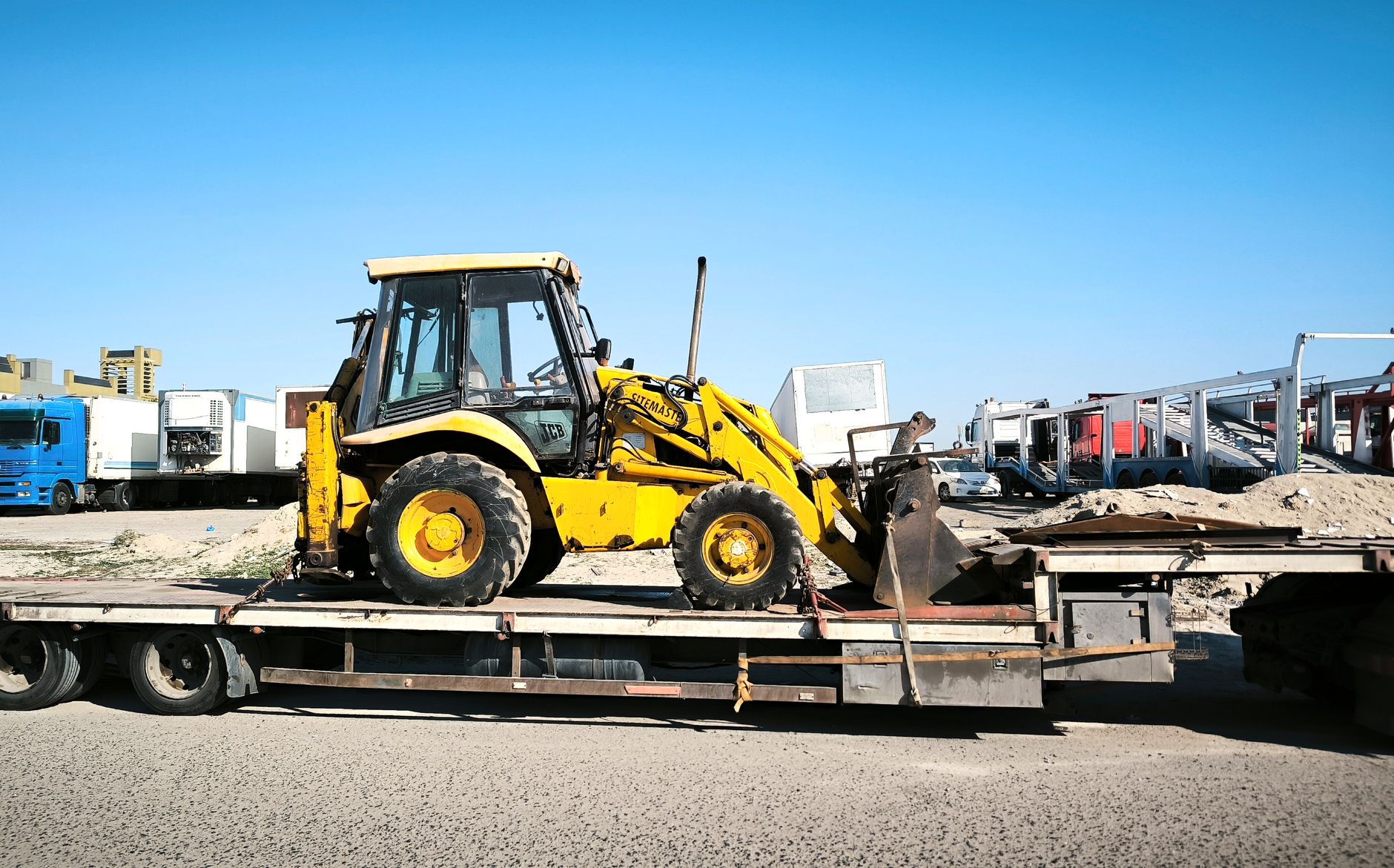
Introduction: Importance of Side Loader Maintenance
Side loaders are vital equipment in warehouses, construction sites, and manufacturing facilities, especially for handling long, heavy, or oversized materials. Like any industrial machinery, their efficiency, safety, and lifespan depend on proper maintenance. Regular maintenance ensures smooth operation, reduces downtime, prevents costly repairs, and extends the life of the equipment.
1. Conduct Daily Inspections
A daily inspection is the first step in keeping a side loader in optimal condition. Operators should check tires, forks, hydraulic systems, lights, brakes, and safety devices before each shift. Identifying small issues early, such as leaks or worn parts, prevents bigger problems and ensures safe operation.
2. Keep Hydraulic Systems in Check
The hydraulic system powers the lifting and movement of loads in a side loader. Regularly inspect hydraulic hoses, cylinders, and connections for leaks or damage. Maintain proper hydraulic fluid levels and replace fluid according to manufacturer recommendations. A well-maintained hydraulic system ensures smooth lifting and prevents load instability.
3. Lubricate Moving Parts
Proper lubrication reduces friction, wear, and tear on moving parts like forks, chains, and mast mechanisms. Follow the manufacturer’s guidelines for the type and frequency of lubrication. Regular lubrication improves operational efficiency and prevents unexpected breakdowns.
4. Inspect and Maintain Tires
Tires support the weight and stability of side loaders, especially when carrying long or heavy materials. Check for tire wear, cracks, or low pressure daily. Replace worn or damaged tires promptly, as they directly affect maneuverability, load stability, and operator safety.
5. Check Electrical Systems and Batteries
For electric or hybrid side loaders, battery health is crucial. Inspect batteries, charging systems, and wiring regularly. Keep battery terminals clean and ensure proper charging practices. Regular checks prevent sudden power loss, maintain productivity, and extend battery life.
6. Maintain the Braking System
The braking system is critical for safe operation. Inspect brake pads, discs, and fluid levels regularly. Ensure brakes respond properly under load. Any sign of wear or reduced performance should be addressed immediately to avoid accidents or material damage.
7. Keep the Machine Clean
Dust, debris, and dirt can interfere with moving parts and sensors. Regularly clean the machine, including the forks, wheels, and cab. For outdoor operations, ensure that mud, dust, or chemicals are removed after each shift. A clean machine is easier to inspect and lasts longer.
8. Follow Scheduled Preventive Maintenance
Manufacturers provide preventive maintenance schedules for inspections, part replacements, and fluid changes. Adhering to these schedules keeps the side loader in top condition, prevents unexpected failures, and ensures compliance with safety standards.
9. Train Operators on Proper Usage
Operator behavior directly impacts equipment longevity. Proper training on load handling, speed limits, turning, and safety procedures reduces stress on the machine. Encouraging correct operational practices can prevent unnecessary wear and extend the life of the side loader.
10. Keep Records of Maintenance
Document all inspections, repairs, and maintenance activities. Maintenance logs help identify recurring issues, plan future servicing, and provide proof of compliance with workplace safety standards. Accurate records support long-term performance and accountability.
Conclusion: Ensuring Long-Term Performance
Side loaders are an investment, and proper maintenance is essential to maximize their lifespan, efficiency, and safety. Daily inspections, hydraulic checks, lubrication, tire care, electrical system maintenance, preventive servicing, operator training, and proper record-keeping all contribute to long-term performance. By following these maintenance tips, businesses can reduce downtime, minimize repair costs, and ensure smooth, safe, and reliable operation of side loaders for years to come.


