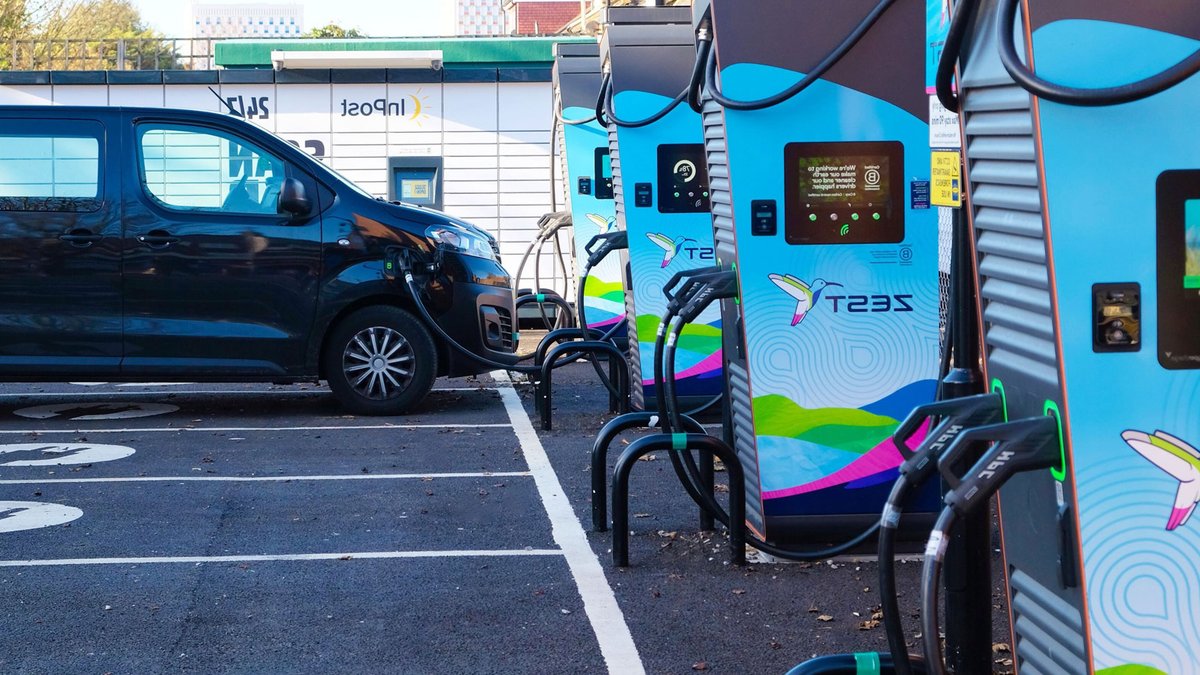
The cost of charging an electric vehicle at public rapid stations may reach £1 per kilowatt-hour by 2027, according to findings from The Fast Charge and operator Zest. Currently, drivers pay an average of 79p per kWh for pay-as-you-go rapid charging nationwide. However, the report warns this rate will nearly double within the next year, driven by a decision taken by the UK’s energy regulator, Ofgem, which aimed to spread the cost of maintaining the country’s power network.
Ofgem’s Targeted Charging Review found some businesses adjusting their energy use to avoid peak-time costs. In response, the regulator permitted networks to charge companies based on their potential energy demand rather than actual consumption. This has caused grid charges for rapid chargers to climb by up to 616%, rising from an average of £61.47 per week in 2021 to £440.13 per week by 2026.
By 2027, these fixed costs are projected to exceed £540 per week, regardless of how much energy is used. Under current tariffs, operators face an extra £77 million in annual grid charges, bringing their total to £413 million by 2027. The higher cost of electricity tariffs and grid charges could mean the price of using a public rapid charger reaches £1.03 per kWh. The government’s own Cost of Public Electric Vehicle Charging Review confirms that these increases particularly impact rapid and ultra-rapid chargers, which already incur higher infrastructure expenses. The Fast Charge’s Tom Riley described the grid standing charges as a “feudal tax” enabled by Ofgem, noting that funds flow directly from drivers to energy networks.
Read Also: China launches electric rival to Rolls Royce
He urged the government to intervene before electric vehicles become more expensive to charge than conventional petrol or diesel cars. Riley observed that Ofgem had identified the problem at least a year earlier, yet no corrective steps have been taken. Operators must now decide whether to absorb the increased costs, shift them to drivers, or reduce charger availability. The average weekly grid fee for a rapid charger—£540 by 2027—already surpasses the combined revenue from a low-usage location. Without policy changes, the financial burden could slow the expansion of public charging networks, particularly in areas where profitability remains limited. The report highlights that Zest and other operators will need to adapt their business models to sustain operations.
The long-term viability of rapid charging networks hinges on whether regulators or policymakers address the cost pressures before they stifle growth. A spokesperson for Ofgem stated that the regulator remains committed to balancing network costs with affordability, though no immediate revisions to the charging framework have been announced. Meanwhile, Zest has called for a review of how grid charges are structured, arguing that the current system fails to reflect actual usage patterns.
The company’s CEO emphasized that without reform, operators will struggle to maintain service levels in key markets. The financial squeeze comes at a critical moment for the UK’s electric vehicle rollout. The report concludes that proactive measures, such as targeted subsidies or revised grid fee structures, are essential to prevent rapid charging from becoming a barrier to adoption.


