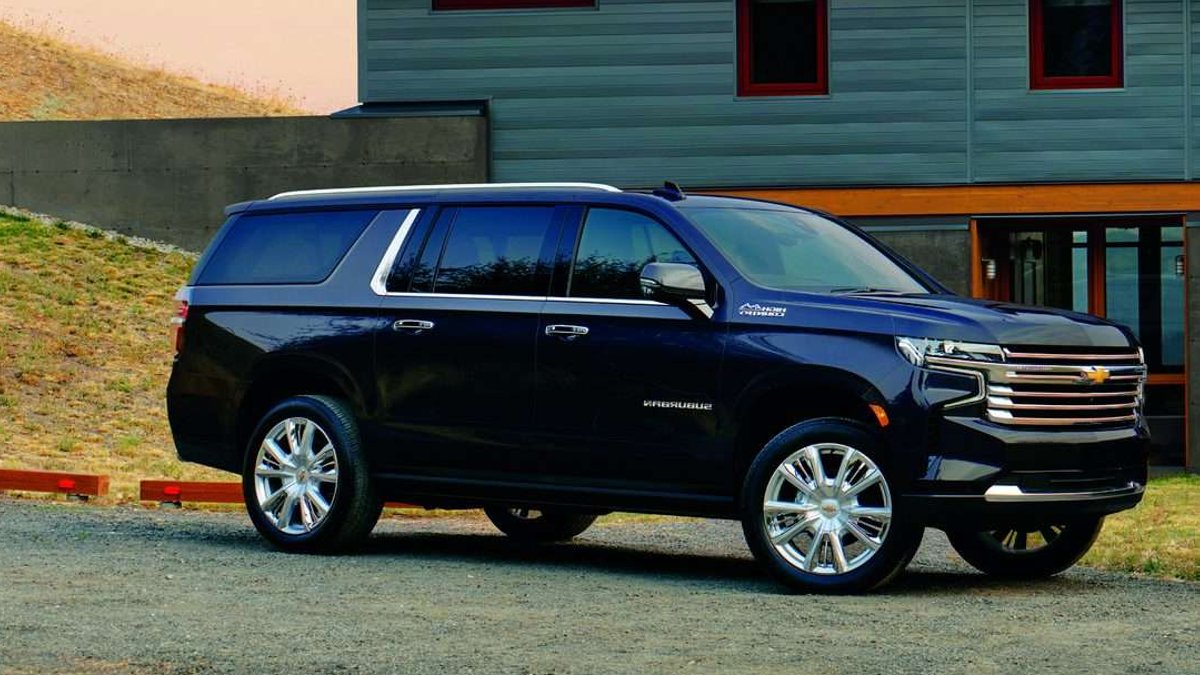
A 2024 Chevrolet Suburban owner removed two second-row seats to shed weight for camping season, leaving just 20 pounds of margin below the SUV’s gross vehicle weight rating (GVWR). The decision, shared in an AirForums post, highlights the challenges of balancing towing capacity with passenger space.
The owner, Merlintiaga, reported a fully loaded weight of 7,680 pounds with a weight-distributing hitch engaged, against a 7,700-pound GVWR. This left a slim 20-pound gap, which they described as “TOO CLOSE.”
When Towing Limits Meet Passenger Needs
The issue began in February, when Merlintiaga noted the rear axle was at its limit while towing a 27-foot Airstream Globetrotter, despite the SUV’s 6.2-liter V8 engine performing well.
This adjustment theoretically increased the weight margin to 170 pounds, but the April post lacked reweigh data to confirm its impact on the rear axle. Chevrolet’s 2024 Trailering Guide emphasizes that a weight-distributing hitch redistributes load but does not alter vehicle or axle ratings.
Unlike a GVWR, which covers the entire vehicle, axle ratings limit specific load points. Removing weight creates room under the GVWR but does not raise it. The rear axle’s load depends on where the weight was removed and how the hitch redistributes it.
Merlintiaga’s decision reflects a broader dilemma: keeping a vehicle for its driving experience while sacrificing functionality. For some, losing seats may be acceptable; for others, it undermines the Suburban’s purpose.
A report on a Tundra owner facing similar payload constraints, according to local reports, shows how towing performance can clash with practical needs. While the Suburban’s engine handles towing well, its weight limits require careful planning.
Before loading for a trip, owners should weigh the vehicle with passengers, fuel, and equipment, then check axle and trailer limits. Estimated weight savings, like seat removal, should be verified through reweighing, as adding cargo can quickly consume any margin.
Chevrolet advises checking vehicle-specific loading information on the driver-side doorjamb. For buyers, comparing intended loads to actual ratings is essential, as a larger vehicle’s appeal can fade when practical limits are considered.
Merlintiaga chose to keep the Suburban, praised for its power and handling, by removing seats. For others, those seats may be non-negotiable. The decision depends on how a family travels, not just towing figures.
Despite the Suburban’s 6.2-liter V8 engine performing admirably, the rear axle was at its limit, even with weight distribution and light packing.
The Seat Removal and Its Calculated Impact
By April, Merlintiaga removed both second-row seats, estimated at 75 pounds each, and replaced them with 3/8-inch plywood. This theoretically reduced the vehicle’s weight by 150 pounds, increasing the margin below the GVWR from 20 to 170 pounds.
The weight savings depended on the seats’ location and how the hitch redistributed the load. Adding cargo to the newly open space could quickly consume the saved weight.
Sharing before-and-after weights, including model year, trailer details, and axle readings, can help other owners understand adjustments that create usable room. This transparency aids in making informed decisions about vehicle modifications and towing setups.


