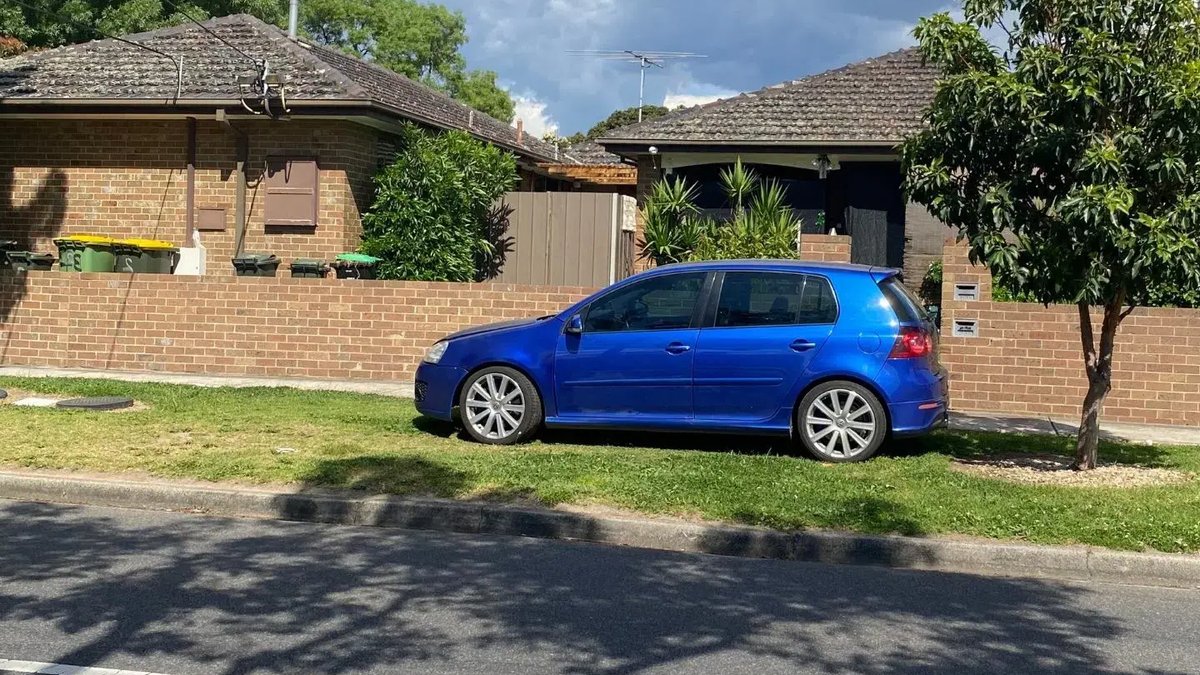
Nature strip parking remains a divisive issue across Australia, with rules varying sharply between states and territories. A Melbourne resident who moved from Perth two decades ago recalls the surprise of discovering that parking on the verge, known in Western Australia as a nature strip, was largely prohibited in most eastern states. In Perth, such parking is widely permitted, though councils often require landowner consent and impose conditions such as time limits and vehicle type restrictions.
Rules Across the Country
All Australian jurisdictions except Tasmania follow section 197 of the Australian Road Rules, which prohibits stopping on a nature strip adjacent to a road in a built-up area. Tasmania aligns with Western Australia, allowing verge parking under local council oversight. Perth councils frequently permit residents to apply for paved parking bays on their nature strips, using materials such as concrete or brick paving, subject to approval and spatial limits.
The City of Stirling, covering parts of Perth’s inner north-west, exemplifies this approach. Its website states that up to one-third of a verge area may be treated as hardstand, excluding the crossover, with assessments considering proximity to street trees and kerb modification feasibility.
Street Congestion in Melbourne
In Melbourne suburbs where nature strip parking remains illegal, parallel parking on both sides of the street often reduces traffic flow to a single lane. Drivers must negotiate informal give-way arrangements, sometimes leading to confrontations. One observer noted that some drivers fail to yield courteously, creating hazardous conditions.
Related Post: Door Ding Repair Service for Quick Dent Fixes
Many nature strips in these areas are wide enough to accommodate two or even three vehicles if angled parking were permitted. Advocates for walkable neighborhoods argue that blanket bans do not account for streets where on-street space is insufficient and private parking is unavailable.
Property Constraints and Housing Density
Townhouse dwellers and residents of newer developments often lack private parking options. One resident explained that their single-car garage serves as storage and play space, while the driveway is shared among multiple households. This situation reflects broader housing affordability pressures, where larger blocks with dedicated parking are out of reach for many families.
Real estate costs in major cities have pushed more people into medium-density housing, increasing demand for street-level parking solutions. The congestion problem persists in areas where traditional parking supply cannot meet household needs.
A proposed compromise would allow residents in Melbourne and other cities to apply for designated parking areas on nature strips where appropriate, mirroring Perth’s model. This approach would require local councils to evaluate applications based on space availability, pedestrian access, and safety considerations, rather than enforcing a universal prohibition.


