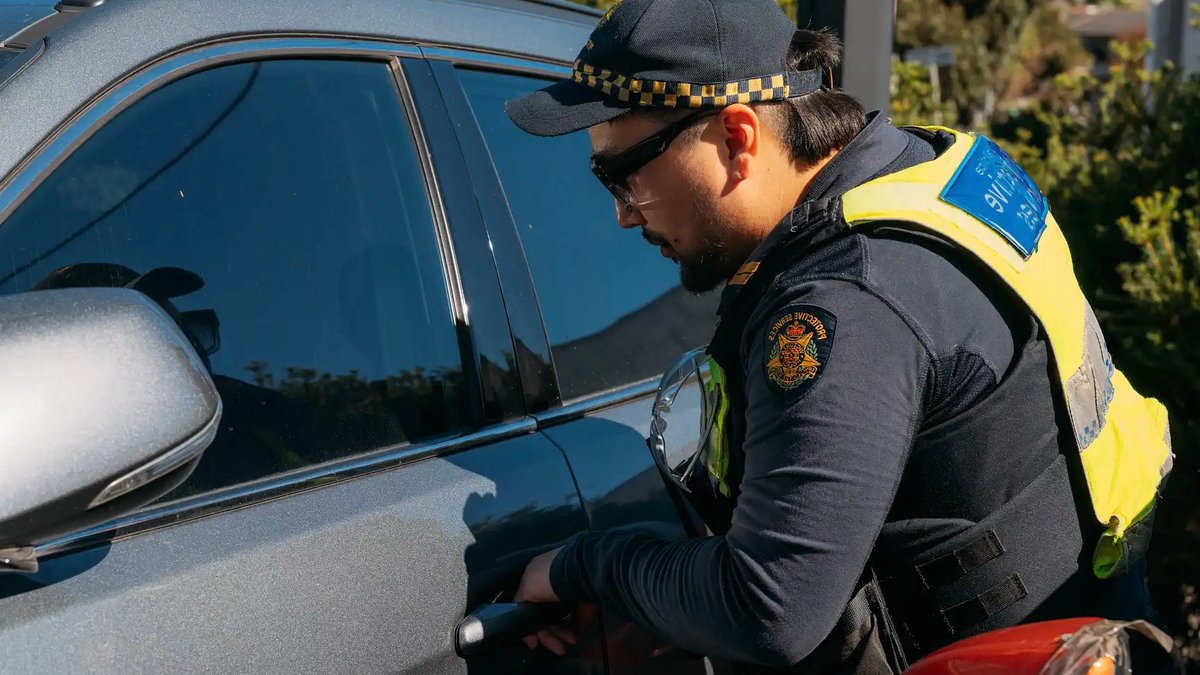
Victoria Police reports seizing more than 900 key-cloning devices in the past year, tools that enable thieves to steal over 10,000 vehicles annually in the state alone—roughly 30 cars each day. This increase reflects a growing reliance on gadgets that boost keyless car signals, granting access without physical keys. Such devices, often sold as diagnostic or locksmith tools, are readily available through major global online platforms without legal purchase restrictions.
Lisa Cohen, CEO of Code Safe Solutions, states that the lack of oversight allows these tools to circulate freely. “Additionally, authorities have previously sounded the alarm on keyless cars due to a significant rise in keyless car thefts, where offenders use gadgets to boost the car key’s signal and access the vehicle without a physical key,” Cohen said. “Most of these tools are sourced online through major global e-commerce platforms and online retailers.
They are often marketed as legitimate diagnostic or locksmith equipment, making them easy to buy without credential checks.” While Victoria Police acknowledges their misuse in vehicle thefts, they note these devices also serve legal purposes in auto repair. The force advises drivers to install additional safeguards, including engine immobilisers, OBD port locks, and steering wheel locks, to mitigate risks.
Cohen advocates for tighter controls, proposing that high-risk cloning and relay equipment be sold exclusively to licensed auto electricians and locksmiths. “Limiting the sale and importation of high-risk key-cloning and relay hardware strictly to licensed auto electricians and accredited locksmiths would significantly reduce their availability to car thieves,” she said. “Also, suppliers like [my business] should not supply directly to the public, but only to authorised auto electricians for product sales and installation. Legislation should also make this mandatory, so offenders don’t learn how to wire products, helping reduce theft.” Victoria Police, however, directs regulatory responsibility to state and federal governments.
Dr. Russell Smith, a law professor at Flinders University, cautions that new laws must avoid overreaching into legitimate device use. “Restrictions on the sale, importation and possession and use of these devices are difficult to enforce, particularly where devices are sourced online and/or from overseas,” he said. He recommends alternative solutions, such as anti-scanning wallets for electronic keys or enhanced wireless security from automakers. The Australian Communications and Media Authority (ACMA) confirms it has received no formal complaints about illegal key-copying devices, though it clarifies that prosecutions fall under law enforcement jurisdiction.
Victoria Police data identifies specific vehicle models as frequent targets, including the Toyota Corolla, Hilux, RAV4, Landcruisers, Subaru Foresters, and Holden Commodores—all equipped with push-start ignitions. Toyota has since introduced factory-installed steering wheel locks and engine immobilisers as standard security features. Even with these upgrades, the accessibility of cloning tools online continues to surpass enforcement capabilities, leaving owners exposed to theft risks even when parked at home.


