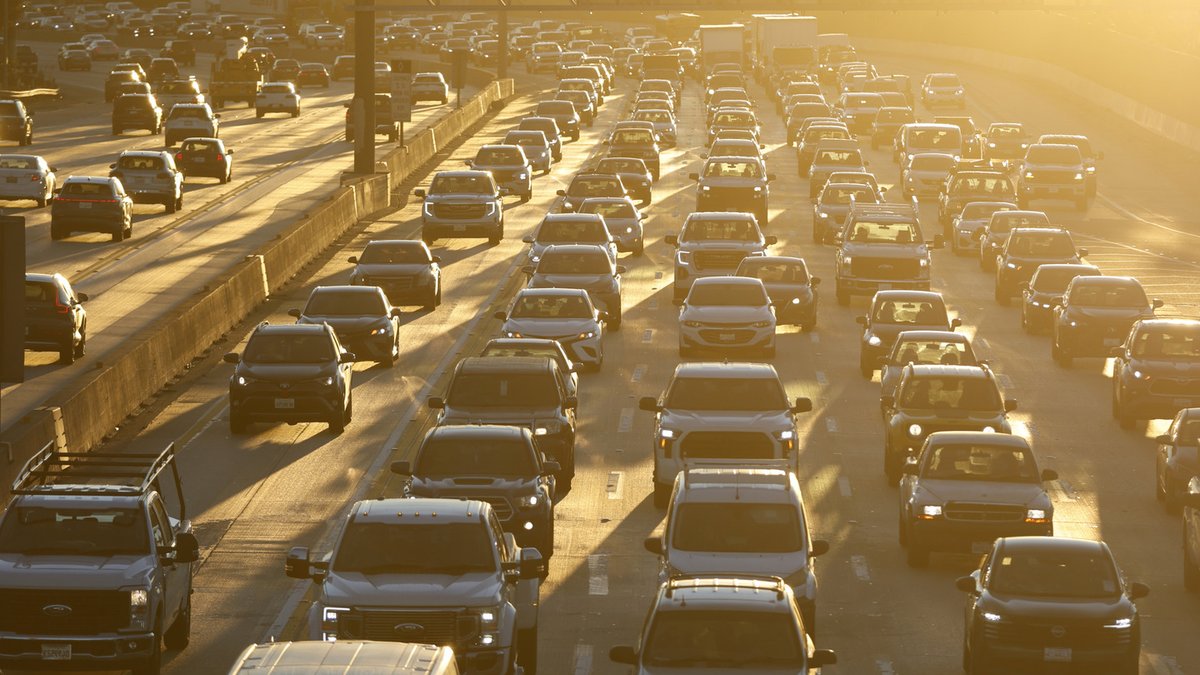
The Trump administration has revised fuel economy standards under the slogan “Freedom Means Affordable Cars,” insisting the adjustments will produce vehicles matching consumer demand while reducing expenses. This policy shift arrives as fuel costs remain high, with U.S. drivers spending an additional $771 on gas through September alone.
The updated regulations, detailed in an 892-page document from the Department of Transportation and the National Highway Traffic Safety Administration, lower the 2031 average fuel economy target by 33%, dropping it from 50.4 miles per gallon to 34.5 mpg. The rules also reclassify certain light trucks as passenger vehicles, altering how automakers calculate compliance beginning in 2030.
The administration projects the changes will reduce oil consumption by 1.3 billion barrels by 2050 and trim roughly $1,000 from the price of future new cars. However, the plan scraps inter-brand credit trading—a mechanism that allowed automakers to buy and sell credits for exceeding fuel efficiency goals. While companies can still exchange credits within their own divisions, cross-company transactions are now prohibited.
Read Also: Dodge’s Battery Ejection Patent Enhances Fire Safety
Manufacturers gain flexibility in vehicle design, but critics question whether consumers will actually benefit. The promised $1,000 savings depends on automakers voluntarily adopting weaker efficiency standards, even as stricter global regulations apply elsewhere.
Transportation Secretary Sean Duffy described the move as a step toward affordability, saying, “With our commonsense standards in place, we are making the dream affordable again, putting safer cars on the road, and investing in the American autoworker.” NHTSA Administrator Jonathan Morrison added that the changes would make newer vehicles more accessible to families. Yet opponents argue the policy’s real impact on consumer costs remains uncertain, particularly amid broader economic challenges.
This approach diverges from what many Americans prioritize, as households grapple with rising expenses for fuel and groceries rather than long-term regulatory adjustments. While officials present the changes as an advancement for consumer freedom, the assumption that lower fuel economy standards will lower prices lacks confirmed evidence.


