The average gallon of gas in the U.S. costs $4.47, while diesel sits at a record-high $6.52. Republicans could have stopped the recent escalation that drove these prices higher, but instead, they are reportedly preparing to ban private companies from selling diesel outside the country. According to a report from Politico, the White House is moving toward a 90-day diesel export ban.
Officials and lawmakers call for a halt
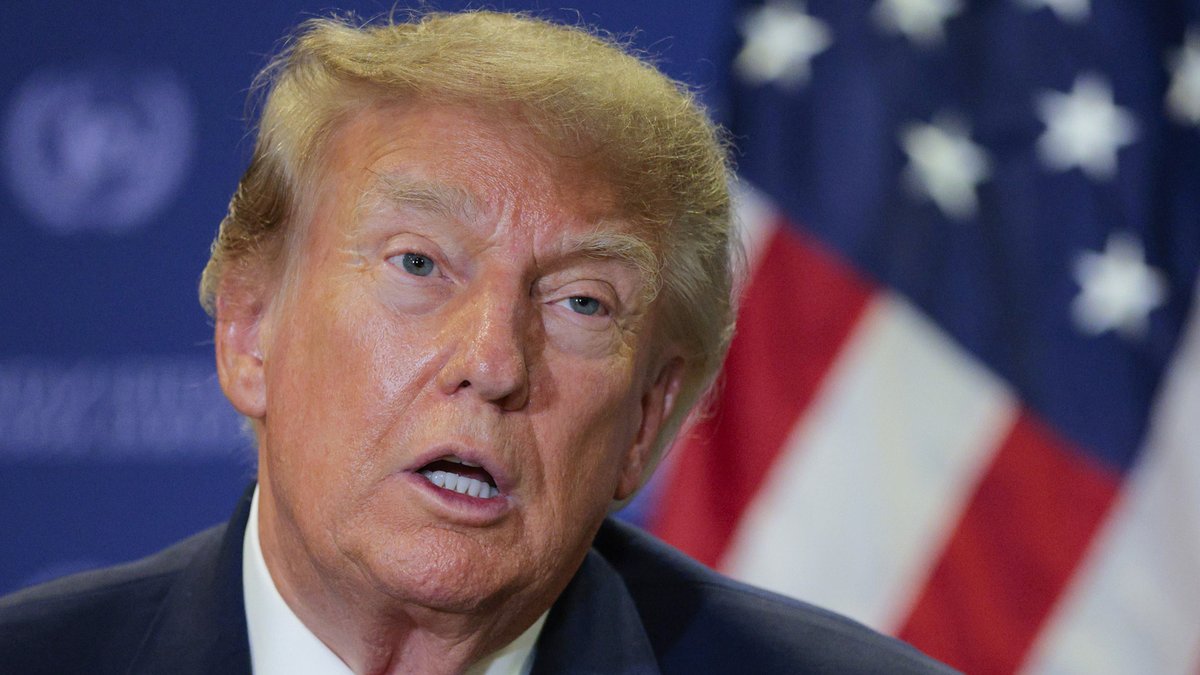
Ahead of a meeting with Ukrainian President Volodymyr Zelenskiy, President Donald Trump told reporters he wants to stop sending diesel abroad. “I’ve said let’s not send out the diesel. We make a lot of diesel,” Trump stated. Treasury Secretary Scott Bessent has also signaled the administration is reviewing its options, and Senator Dan Sullivan (R-AK) is leading calls for a temporary pause on exports to rebuild reserves before winter.
Rep. Ashley Hinson (R-IA) and Mike Rogers (R-MI) have joined Sullivan in demanding federal intervention to keep fuel at home. Their support for this policy marks a shift from earlier stances, as both have previously backed Trump’s military actions in the Middle East. Even if the political pressure is clear, the practical consequences of such a move remain uncertain.
Related Post: Door Ding Repair Service for Quick Dent Fixes
For consumers, the immediate appeal of a ban is obvious: keeping fuel stocks in the United States should, in theory, lower domestic prices. When the government restricts where goods can go, more of those goods often circulate locally, and in this case, that could mean cheaper fuel at the pump for a few weeks. However, the long-term picture for American drivers is far less clear. A short-term dip in prices is unlikely to offset the risk of a sustained increase in gasoline and jet fuel costs.
Energy Secretary Chris Wright has raised serious objections to the proposal. He argues that the United States is the world’s largest diesel exporter, and restricting those exports would force refineries to slow production. That reduction in refining capacity would eventually drive gasoline prices up, not down. Wright noted that a refinery that produces diesel also produces gasoline and jet fuel, and without an export outlet, the industry has nowhere to store the excess product.
Internal resistance and legal questions
Top officials, including Energy Secretary Chris Wright, Treasury Secretary Scott Bessent, and Interior Secretary Doug Burgum, have raised concerns about a complete export ban, according to insiders briefed on the deliberations. Wright reached out to energy company leaders on Tuesday evening to warn them that a 90-day freeze was likely within days. Many executives quickly contacted the White House to oppose the plan, with one adviser cautioning that the situation was still fluid and could shift. That same adviser, speaking to Politico, dismissed the proposal as a poor strategy.
Legal hurdles remain unresolved, and most analysts agree the plan is flawed. Any suspension of diesel shipments would mark the first U.S. energy export restriction since the Obama-era oil export ban ended in 2015.
Read Also: Edison Motors Diesel-Electric Pickup Tows 8,000-Pound Airstream
Refining capacity and future costs
Some GOP lawmakers, refining industry executives and even some administration officials are still trying to convince President Donald Trump that a ban would be a bad idea, one that could backfire by eventually raising prices for gasoline, jet fuel and other fuels, said people familiar with the discussions who were granted anonymity to describe internal White House communications.
A 90-day ban could cause diesel prices to drop in some U.S. regions in the short term as tankers of the fuel originally intended to go to Europe or Asia are instead pumped back into the U.S. fuel system, raising domestic supply. But refiners would eventually slow down production in answer to the loss of a major export market, causing prices to rise.
Energy Secretary Chris Wright argued that prohibiting diesel exports would be ineffective given the U.S. is the world’s top supplier. He noted that refineries producing diesel also generate gasoline and jet fuel, meaning any export restrictions would force cutbacks in refining operations. Those reductions, in turn, would drive up prices for motor fuel and aviation fuel, undermining the ban’s intended benefits.


