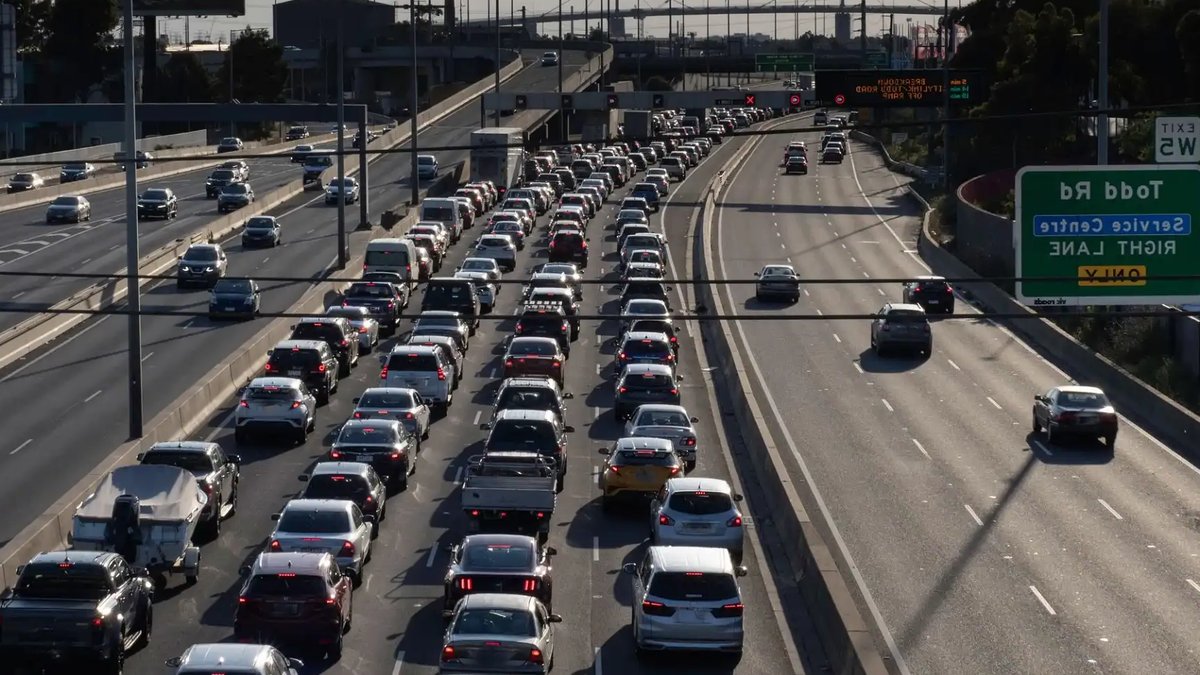
A study by novated leasing provider Paywise examined Australia’s most car-reliant suburbs, exposing how outer metropolitan and regional areas remain heavily dependent on vehicles despite efforts to improve public transport and cycling networks. The analysis ranked 185 Local Government Areas based on four factors: annual vehicle operating costs, public transport availability, walkability, and fuel station access. The findings demonstrate that in many communities, car ownership is not a preference but a necessity driven by geography, household finances, and limited transportation options.
The suburbs where driving is essential
Frankston in southeast Melbourne ranked highest with a car dependency score of 90.68 out of 100. On average, residents spend $13,000 per year on running costs, equating to 12.9 per cent of the median household income. Knox in Melbourne’s east ranked second with a 90.34 rating, with the average resident paying approximately $14,068 per year on running costs. For reference, the average Knox household pays about 12.3 per cent of its yearly income on running costs. In Perth, Cockburn placed third with a score of 90.22. Drivers spent $10,995 on running costs per annum.
According to the novated leasing body, 24 to 27 per cent of households in these three suburbs are within 400 metres of a frequent public transport stop. For reference, the average across metro-developed areas is 60 per cent. In outer metropolitan LGAs, Mundaring in Western Australia was the most car-dependent council identified in the Paywise report. On average, drivers in this council are spending $12,926 on running costs per year, while only 2.6 per cent of households are within 400 meters of a frequent public transport stop.
Demographic shifts are intensifying car dependency. Millennials, now Victoria’s largest generation, are moving to outer suburbs for larger homes but face limited transport choices. Demographer Simon Kuestenmacher observed that this migration is increasing household vehicle counts, with families transitioning from one to multiple cars. Meanwhile, Baby Boomers—still active drivers—will only begin reducing road use later this decade.
In major regional cities, Mackay in Queensland’s east topped the list as the most car-dependent LGA, scoring 90.68. Drivers in this municipality spent $9988 on running costs per year, approximately 8.9 per cent of the local median household income. Approximately 1.1 per cent of Mackay households are within 400m of a reliable public transport stop, while the average home has 1.97 vehicles per dwelling.
Bundaberg in Queensland finished second, scoring 75.92, with residents spending an average of $9216 in yearly running costs, equating to an estimated 13.1 per cent of the average household’s income. Also in Queensland, Toowoomba was the third most car-dependent regional city, with the average household paying approximately 10.6 per cent, or $9406, of their yearly income on running costs.
Related Post: U.S. rolls back fuel economy rules to cut car costs
Serpentine-Jarrahdale in WA’s outer south-east ranked third in outer metro areas, with residents spending $13,420 on running costs per year. Additionally, the LGA also recorded the highest average number of vehicles among the 185 councils analysed, with the average household having 2.32 cars.
Chief executive officer of Paywise Frank Agostino said running costs had a large impact on cost-of-living pressures for many households. “What stood out to us is how much running a vehicle can weigh on a household budget,” Agostino said in a media statement. “A household in East Gippsland running the local average number of vehicles would spend approximately 17.8 per cent of the local median household income on running costs. If you live somewhere without real alternatives, driving less may not be an option, so it’s worth looking at how you pay for your vehicle instead,” he said.
Barriers to alternative transport
The report’s findings align with broader trends: Australia’s urban sprawl and decentralized growth have outpaced public transport development. In suburbs like Hawkesbury, disconnected streets make walking impractical, while regional areas like Mackay lack the population density to support frequent services. Even where transit exists, coverage remains uneven, leaving many households with no viable alternative to driving.
Financial strain on households
These costs cover fuel, insurance, maintenance, and registration, expenses that rise with distance from cities. The lack of public transport means commuting, school runs, and grocery trips all require a car. In areas like Serpentine-Jarrahdale, where households own an average of 2.32 vehicles, the financial burden is compounded. Without cheaper alternatives, residents face a difficult choice: reduce other spending or continue driving.
Australia’s car-dependent future?
The Paywise analysis confirms what many Australians recognize: in sprawling suburbs and regional towns, the car is not just a convenience but the foundation of daily life. The data shows that even where running costs are lower, such as in Mackay, the absence of alternatives ensures dependency remains high. For Millennials moving to outer areas and Boomers staying active behind the wheel, the next decade will likely see even more cars on the road.


