Massachusetts electric vehicle owners are set to earn money by selling stored battery power back to the grid, marking a new step in grid modernization efforts. The state’s Clean Energy Center is funding a pilot program that will pay participants for discharging energy during peak demand periods. The initiative involves installing 60 bidirectional charging systems in residential homes, requiring specialized hardware and software to manage the flow of electricity.
A coalition of utilities and technology companies is behind the rollout, including Eversource and National Grid. EnergyHub, Sunrun, and The Mobility House are providing the necessary grid-integration technology and software. The goal is to help utilities manage increasing electricity loads from data centers and extreme weather events.
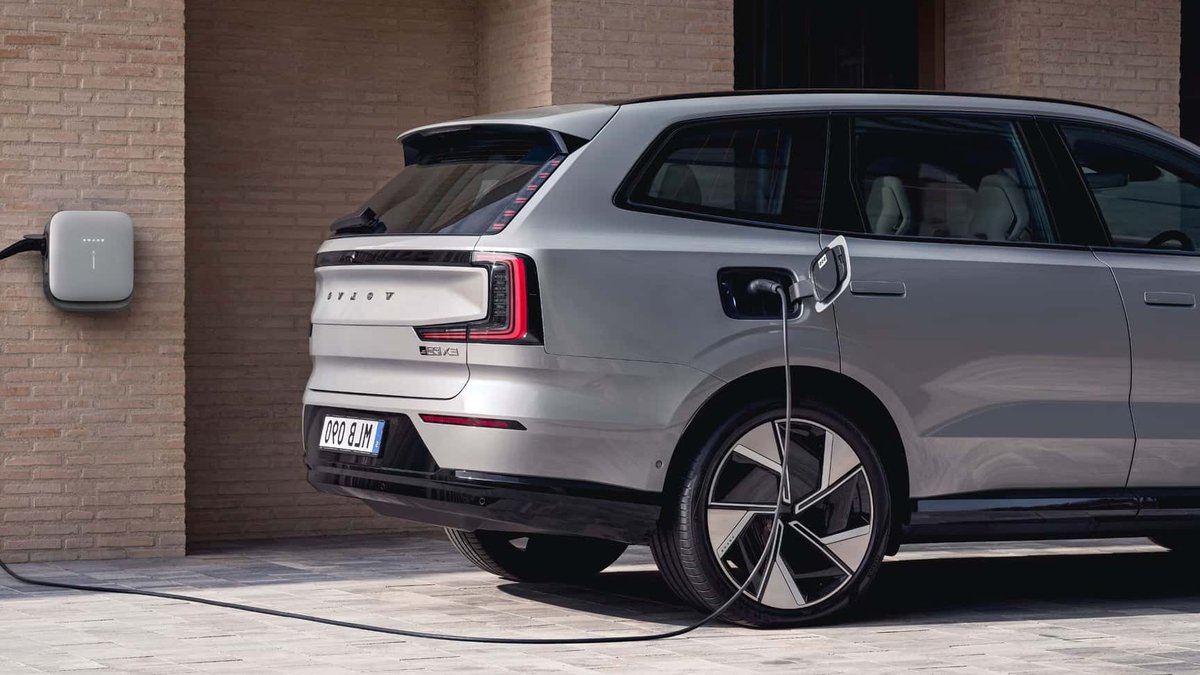
Residents who sign up will receive a base payment for participating. Beyond that, they can earn up to $275 per kilowatt over the summer for sharing electricity. The program targets specific vehicle models that already support vehicle-to-grid capabilities. Eligible cars include the Nissan Leaf, Kia EV9, Polestar 3, Volvo EX90, and the discontinued Ford F-150 Lightning.
While Teslas like the Model Y Performance and the Cybertruck offer this feature, they are currently excluded from the Massachusetts pilot. This exclusion is due to the way Tesla integrates its DC-to-AC converter directly into the vehicle, rather than relying on an external wall charger.
For the drivers involved, the system works by letting the home energy management system communicate with the grid. When demand spikes, the system discharges power from the car battery to meet that need. It is a practical shift from simply storing energy to actively managing supply and demand, turning a parked car into a mobile power plant that supports the local network during critical times. This approach relies on precise timing and automated control to ensure the vehicle’s battery charge remains adequate for the owner’s daily travel needs.
National Trends in V2G Technology
This project is part of a broader movement to utilize electric vehicle batteries as a resource. General Motors is working with Pacific Gas & Electric to connect 52,000 of its EVs to the grid by the end of the decade. In California, PG&E and Tesla are using the Cybertruck for a residential vehicle-to-everything program. This allows customers to power homes during outages and contribute to the grid during peak usage, highlighting the growing role of EVs in energy stability.
Experts note that satisfaction with electric vehicles often correlates with their utility beyond simple transport. EV owners report greater car satisfaction when the vehicle offers features that extend its value into daily life.


