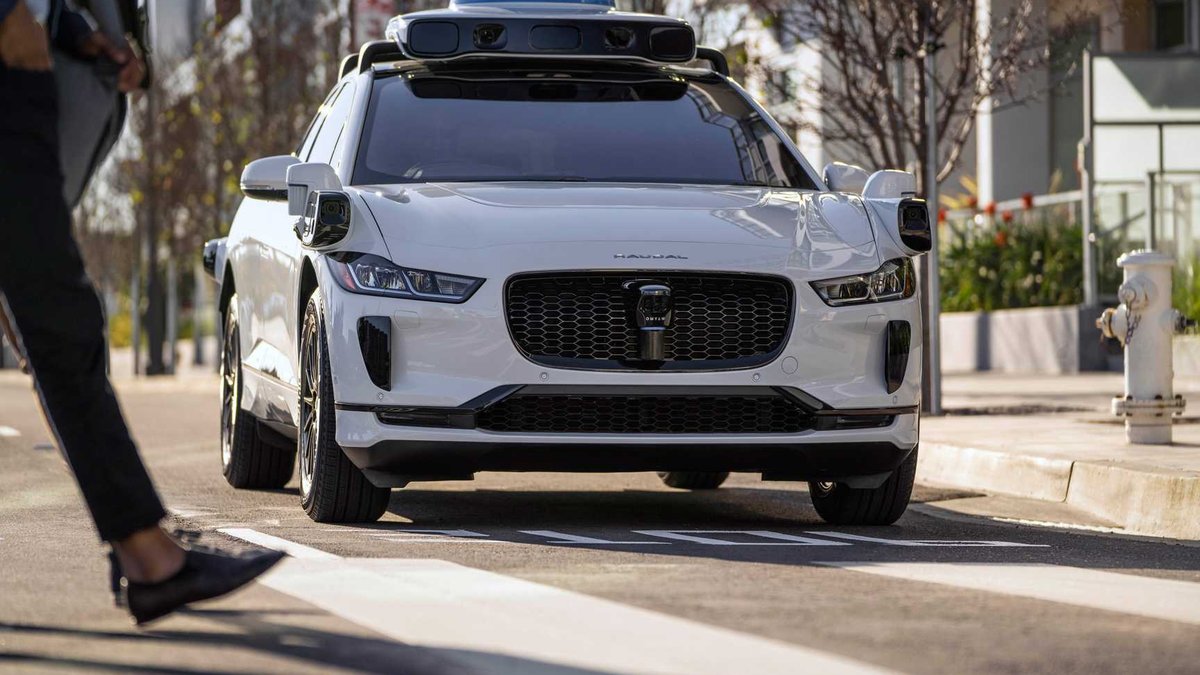
Waymo robotaxis parking tickets have become a modest but noticeable expense for the autonomous‑driving company as it expands its service in Austin, Texas.
Parking fines add up to over $9,000
According to records obtained through an open‑records request, the fleet has accumulated $9,325 in parking citations since its launch in 2024. Waymo has settled $7,433 of those fines across 83 separate tickets, leaving $1,892 still unpaid.
The city’s penalties range from $20 to $519. The largest single fine was issued after a self‑driving Jaguar I‑Pace parked in a disabled‑handicapped spot. In total, the citations include 63 for parking in a tow‑away zone, 13 for failing to pay a meter, and nine for double‑parking.
Company response and legal handling
A Waymo spokesperson told the newspaper that the company treats these citations like any other driver would, reviewing each notice and, when appropriate, contesting it in court. “Waymo reviews all received citations and may engage with the court to address and resolve them, including contesting cases on their merit if we believe they were issued erroneously,” the spokesperson said.
Two of the tickets were dismissed after a plea bargain, showing that the firm does not simply accept every fine at face value. The approach mirrors how traditional taxis handle parking violations, reinforcing the idea that autonomous vehicles are not exempt from everyday traffic rules.
Related: China’s BMW iX5: More Power, Bigger Back Seat TV
While $9,325 is a small figure compared with the $6.3 million Austin collected from traffic tickets in the 2025 fiscal year, the amount indicates that even sophisticated driverless cars can make simple mistakes.
In contrast, Waymo’s San Francisco fleet faced over 600 parking tickets in 2024, costing more than $65,000.
For a company that has built a reputation on precision, the parking infractions may seem incongruous. Yet the reality of operating a large fleet in a busy urban environment means that occasional human‑like errors are almost inevitable.
The fines are modest.
It is worth noting that the financial impact of these tickets is likely to be absorbed by the broader operational budget. The autonomous service in Austin currently includes roughly 200 vehicles, and the per‑vehicle cost of the fines is relatively low.
Related: Drivers use AI to fix their cars
These incidents also serve as a reminder that regulatory compliance extends beyond the high‑tech aspects of self‑driving software. Municipal codes, meter enforcement and disabled‑parking rules still apply, and any breach can result in a fine regardless of who—or what—is behind the wheel.
From a broader perspective, the parking ticket issue points to the growing pains of integrating autonomous fleets into existing city infrastructures. Cities must adapt to accommodate driverless cars, while the company needs to ensure its vehicles respect local traffic ordinances. The balance between innovation and adherence to municipal rules will shape how quickly such services can scale without incurring unnecessary penalties.
Waymo’s experience in Austin may prompt other operators to tighten their parking‑violation monitoring systems. By integrating real‑time alerts for restricted zones or meter expirations, fleets could reduce future fines.
As the firm continues to refine its technology, the modest sum spent on parking tickets will likely remain a footnote in its larger financial picture. Nonetheless, it offers a tangible example of how autonomous vehicles interact with everyday city life, reminding stakeholders that the path to full automation includes dealing with mundane, yet costly, details.


